Laenor Velaryon
Fire & BloodLaenor Velaryon was the son of Princess Rhaenys and Corlys Velaryon, and the claimant whose exclusion from the Great Council of 101 confirmed the preference of the assembled lords for succession through the male line. Though that decision made Viserys Targaryen heir, Laenor’s royal descent and his parents’ influence kept his claim politically consequential. His later marriage to Princess Rhaenyra joined two branches of the Targaryen family, but his life ended in a murder whose motive and instigator remained disputed.
Identity and dynastic background
Laenor was the grandson of Prince Aemon through his mother, Princess Rhaenys, and the great-grandson of King Jaehaerys. His father, Corlys Velaryon, was Lord of the Tides and Master of Driftmark, renowned as the Sea Snake and backed by the powerful Velaryon fleet. The family’s ancient Valyrian lineage and its longstanding alliance with the Targaryens gave Laenor’s descent particular weight, even though his claim came through a woman.
The question of Laenor’s rights had troubled the royal family before the Great Council met. When Princess Rhaenys was passed over, she objected that the decision deprived her son of his birthright. Corlys responded by surrendering his admiralty and his place on the small council, then taking Rhaenys back to Driftmark. Her mother, Jocelyn Baratheon, and her brother, Boremund Baratheon, also resented the decision. After Laenor’s birth, House Velaryon and House Baratheon continued to regard him as a stronger claimant than Prince Baelon’s line; some also argued for Rhaenys or Laenor’s elder sister, Laena.
The Great Council and the disputed claim
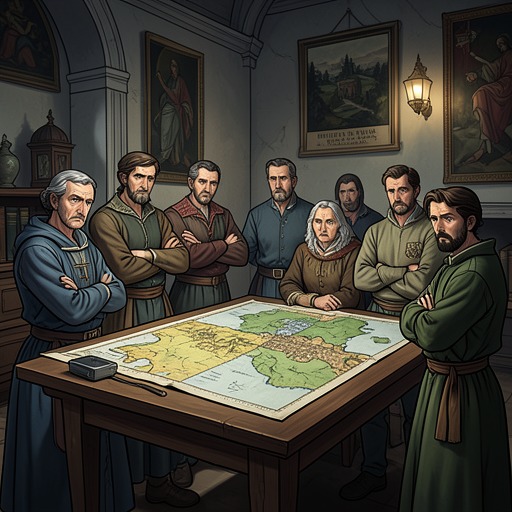
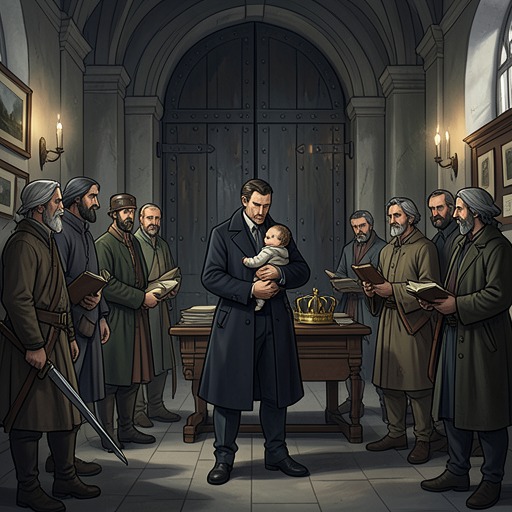
The Great Council of 101 considered fourteen claims over thirteen days. Among its final two serious contenders were Viserys, the twenty-four-year-old son of Prince Baelon and Princess Alyssa, and Laenor, then seven years old. Viserys was Jaehaerys’s grandson; Laenor was his great-grandson. The principle of primogeniture favored Laenor, while proximity to the king favored Viserys. Laenor had not yet flown on his young dragon, Seasmoke, a grey-and-white beast; Viserys, by contrast, had once ridden Balerion, though he never rode again after the dragon died in 94 AC.
The decisive distinction was not simply the competing genealogies. Viserys’s claim came through his father, while Laenor’s came through his mother, and most of the lords favored the male line. The age difference also mattered: Viserys was an adult, while Laenor was a child. His parents’ power and influence meant that his claim could not be dismissed, but the lords ultimately chose Viserys. The council’s decision therefore defeated Laenor’s claim without extinguishing the political importance of his ancestry or his family’s grievance.
Marriage to Rhaenyra
Years later, when King Viserys sought a husband for Princess Rhaenyra, Laenor became the choice of the king and his council. He was Rhaenyra’s cousin and a grandson of Prince Aemon; a marriage between them would strengthen their shared royal bloodline and, the council hoped, restore Corlys’s friendship and fleet to the Crown. Corlys’s earlier withdrawal after Rhaenys’s claim had made that reconciliation politically valuable.
The council knew that Laenor, then nineteen, had shown no interest in women and preferred the company of handsome young squires. Grand Maester Mellos dismissed this as no obstacle, and the match was settled without first consulting Rhaenyra. She did not wish to marry Laenor and objected to the arrangement. Viserys eventually secured her agreement by making the succession conditional: she would marry as ordered, or he would replace her with her half-brother Aegon as heir.
In 114 AC, Rhaenyra, seventeen, married Laenor, twenty, who had been knighted a fortnight before the wedding so that the prince consort would be a knight. The celebration lasted seven days and included a major tourney. At its opening, Rhaenyra gave her garter to Ser Harwin Strong; Laenor laughed and gave one of his own to his favorite, Ser Joffrey Lonmouth. The gesture marked the distinct attachments visible at the festivities, while the marriage itself served the dynastic and political purposes for which it had been arranged.
Death and unresolved accounts
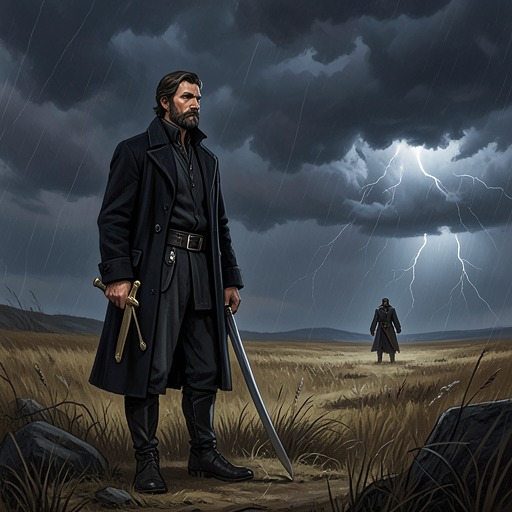
Laenor was killed while attending a fair in Spicetown, during the same year that his sister Laena died. His companion and household knight, Ser Qarl Correy, stabbed him after the two men had been quarreling loudly, according to merchants who later spoke to Corlys. By the time Laenor’s father arrived to collect the body, Qarl had fled, wounding several men who tried to stop him. Reports that a ship had been waiting offshore offered a possible means of escape, but Qarl was never seen again. Corlys offered ten thousand golden dragons for information leading to Qarl or for the killer’s delivery to him.
The accounts preserve no settled explanation for the murder. Grand Maester Mellos records only that Laenor was killed by one of his household knights after a quarrel. Septon Eustace names Qarl and attributes the killing to jealousy, saying Laenor had tired of his company and become enamored of a new, sixteen-year-old squire. Mushroom advances a darker allegation: that Prince Daemon paid Qarl to remove Rhaenyra’s husband, arranged a ship, and then had Laenor killed and his body disposed of at sea. Qarl’s reputed expensive tastes and gambling, despite his modest means, lend that theory some plausibility in the chronicler’s account, but no proof supported it then or later.
Significance in the succession narrative
Laenor’s story links two recurring pressures in the royal succession: the exclusion of claims descending through women and the use of marriage to repair or secure political alliances. The Great Council rejected his claim in favor of Viserys, yet the same royal connection later made Laenor an attractive husband for Rhaenyra and a means of renewing ties with Corlys. His marriage could serve those purposes without resolving the underlying contest over inheritance.
His death also remains a break in the historical record rather than a mystery conclusively solved. The competing accounts offer different explanations—jealousy, or a paid killing associated with Daemon—but the evidence establishes neither the motive nor any wider plot as fact. What is clear is that Laenor died at Spicetown, Qarl escaped, and Corlys’s search for his son’s killer produced no confirmed resolution in the surviving account.